Ice baths – everything you need to know!

Ice baths, or cold plunges, have gone from being a Nordic tradition to one of the most talked-about tools in recovery and wellbeing. But behind the hype lies a long history, a growing body of research and a simple principle: controlled cold makes the body respond in ways that can strengthen both body and mind. Here we go through what an ice bath actually does, what the benefits are and how to get started safely.

What is an ice bath?

Taking an ice bath means lowering your body into cold water, usually between 2 and 12 degrees, for a short while. But unlike a cold dip in a lake, a dedicated cold plunge tub gives you full control over temperature, hygiene and time, which makes it easier to bathe regularly and safely, all year round.

It is precisely the regularity that makes the difference. An occasional ice bath feels refreshing, but it is when the cold becomes part of your routine that the body starts to adapt and the long-term effects set in.

What happens in the body?

When you lower yourself into cold water, the body reacts immediately. The blood vessels in the skin and surface muscles contract to protect your core temperature, breathing becomes faster and the heart pumps more forcefully. At the same time, neurotransmitters such as noradrenaline and dopamine are released, which contributes to the characteristic feeling of sharpness and energy after a bath.

When you then step out of the water, the blood vessels widen again and circulation increases. That alternation between contraction and dilation is part of why many people experience ice baths as both strengthening and invigorating.

Benefits of ice baths

Research into cold-water bathing is growing, and although the effects vary between individuals, there are several areas where many people experience clear benefit:

  • Recovery after exercise. Cold water can reduce perceived muscle soreness and help you feel fresher for your next session. That is one of the reasons elite athletes have long used ice baths in their routine.
  • Mental sharpness and energy. The release of noradrenaline and dopamine often gives an uplifted feeling and increased focus that can last long after the bath.
  • Stress resilience. Deliberately exposing yourself to a controlled strain and staying calm trains both your breathing and your nervous system. Many describe it as a form of mental training that carries over into everyday stress.
  • Circulation. The alternation between cold and rewarming activates the blood circulation and gives a pleasant sensation of warmth afterwards.
  • Sleep and recovery. Some people experience improved sleep quality and a general sense of recovery with regular bathing.

It is worth noting that the research is still developing. The effects are individual, and ice baths are a complement to – not a replacement for – sleep, diet, movement and other fundamentals of health.

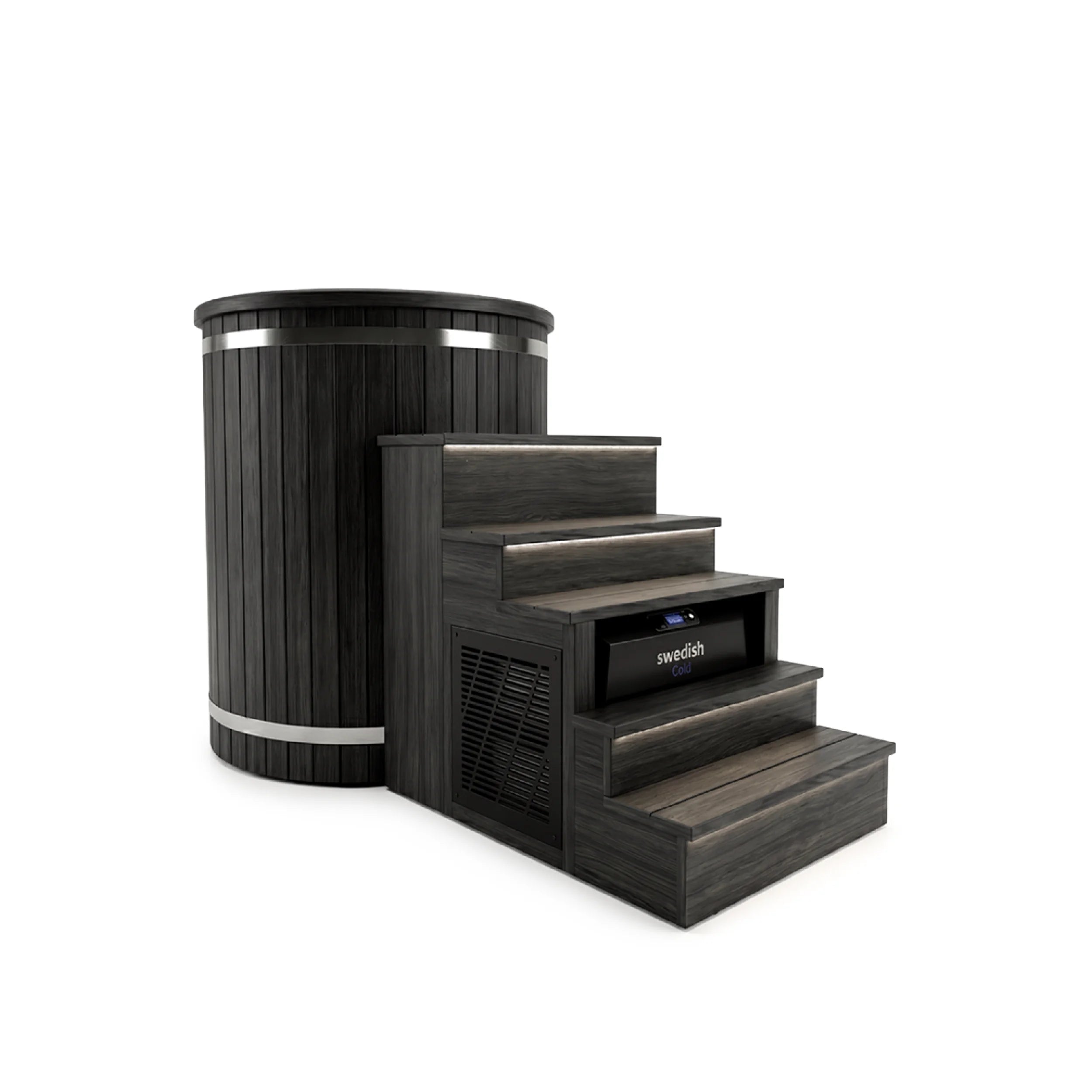
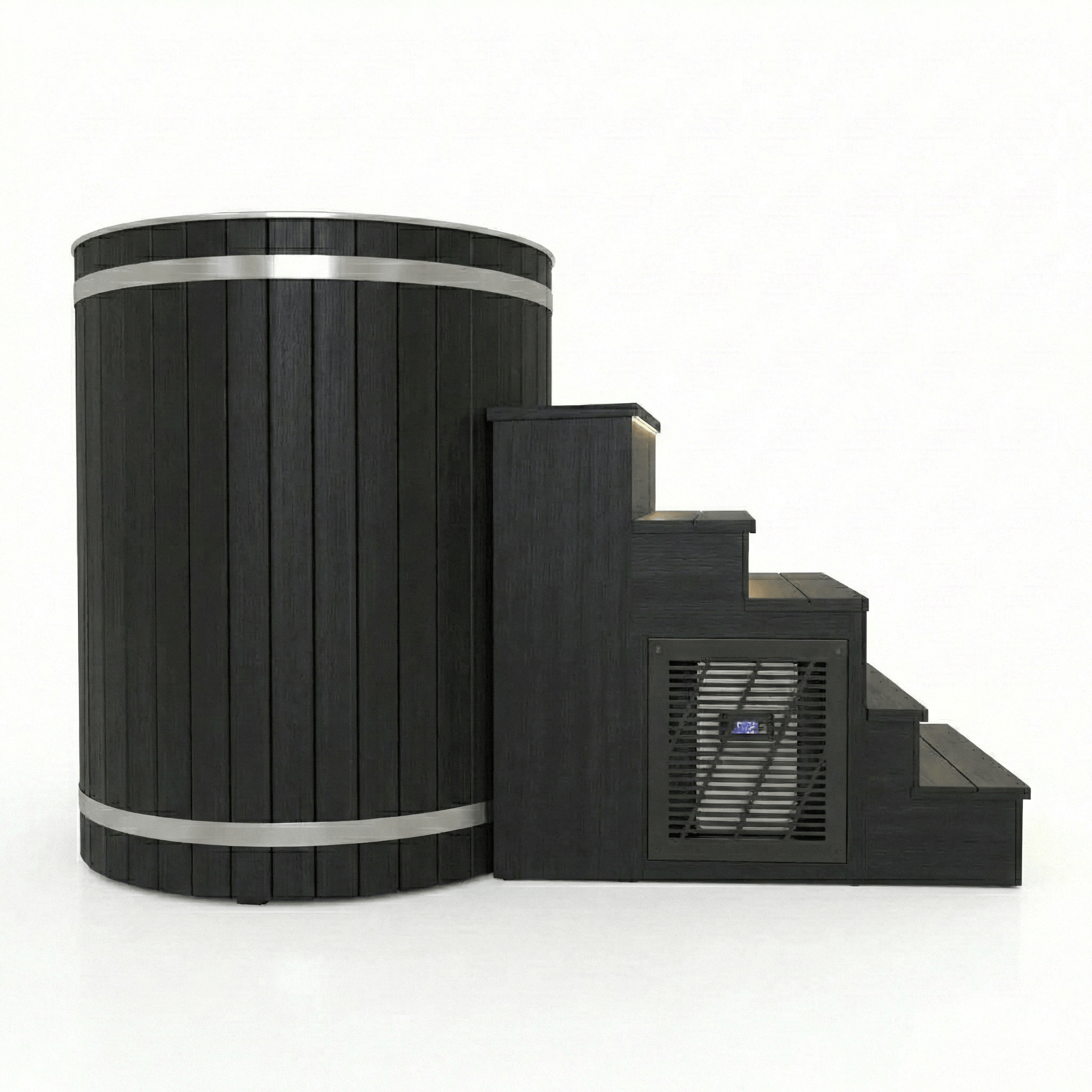
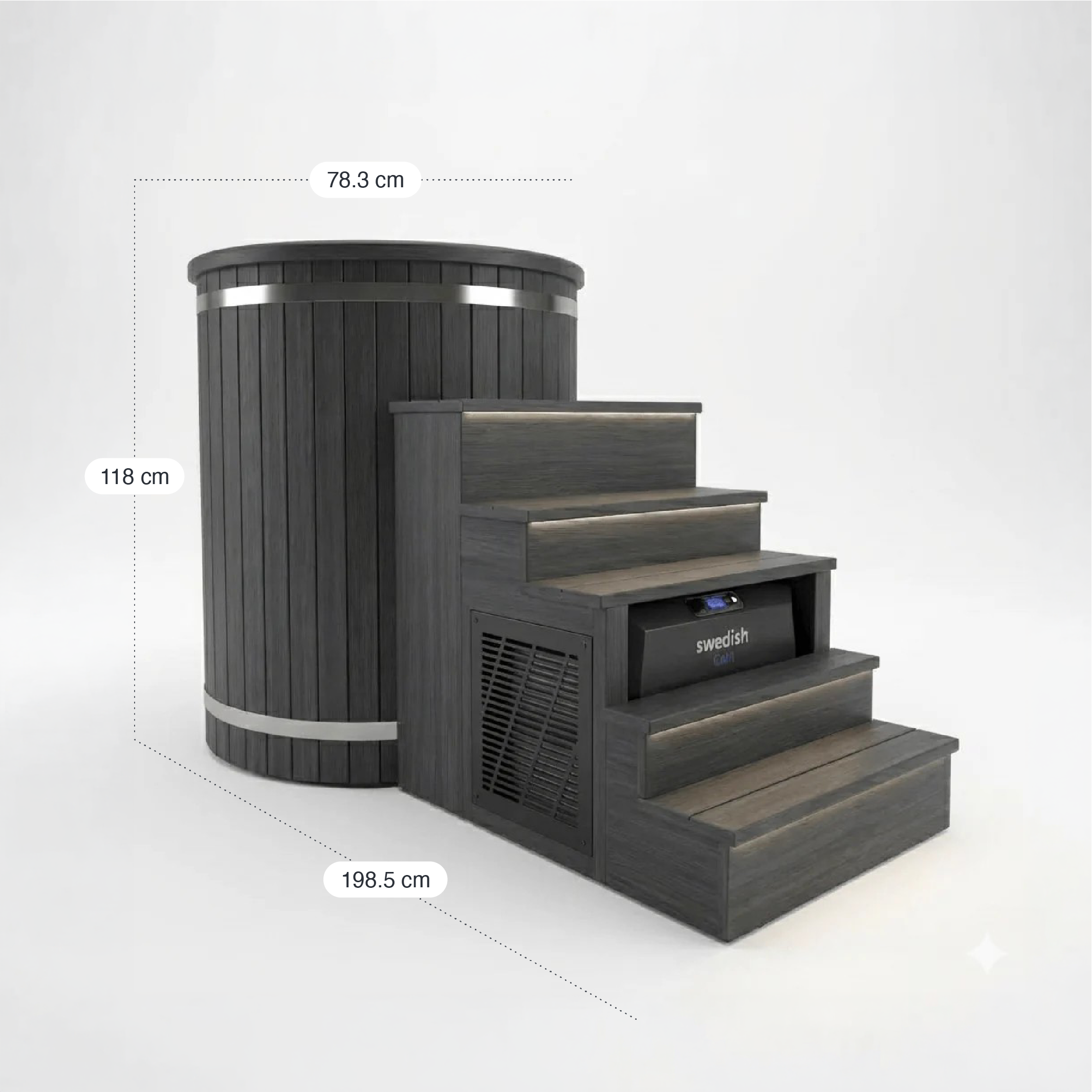
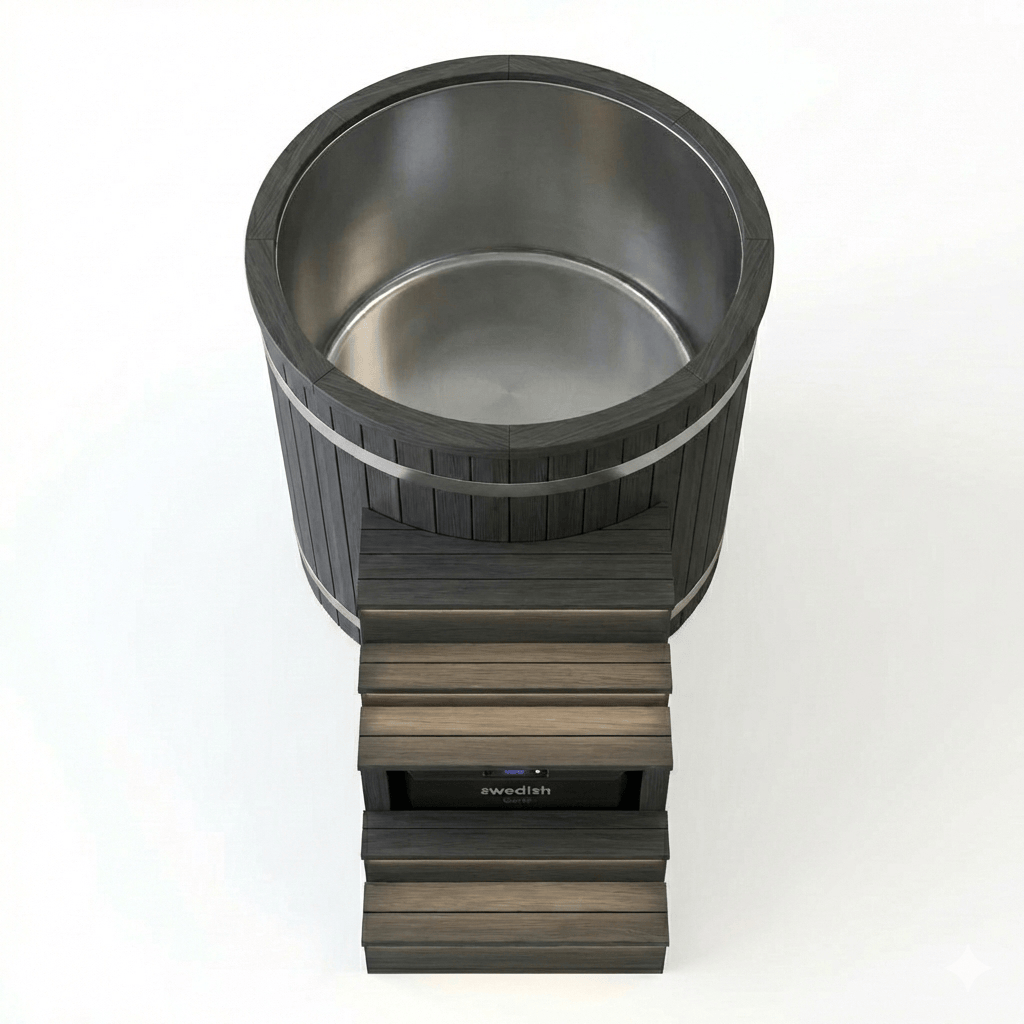
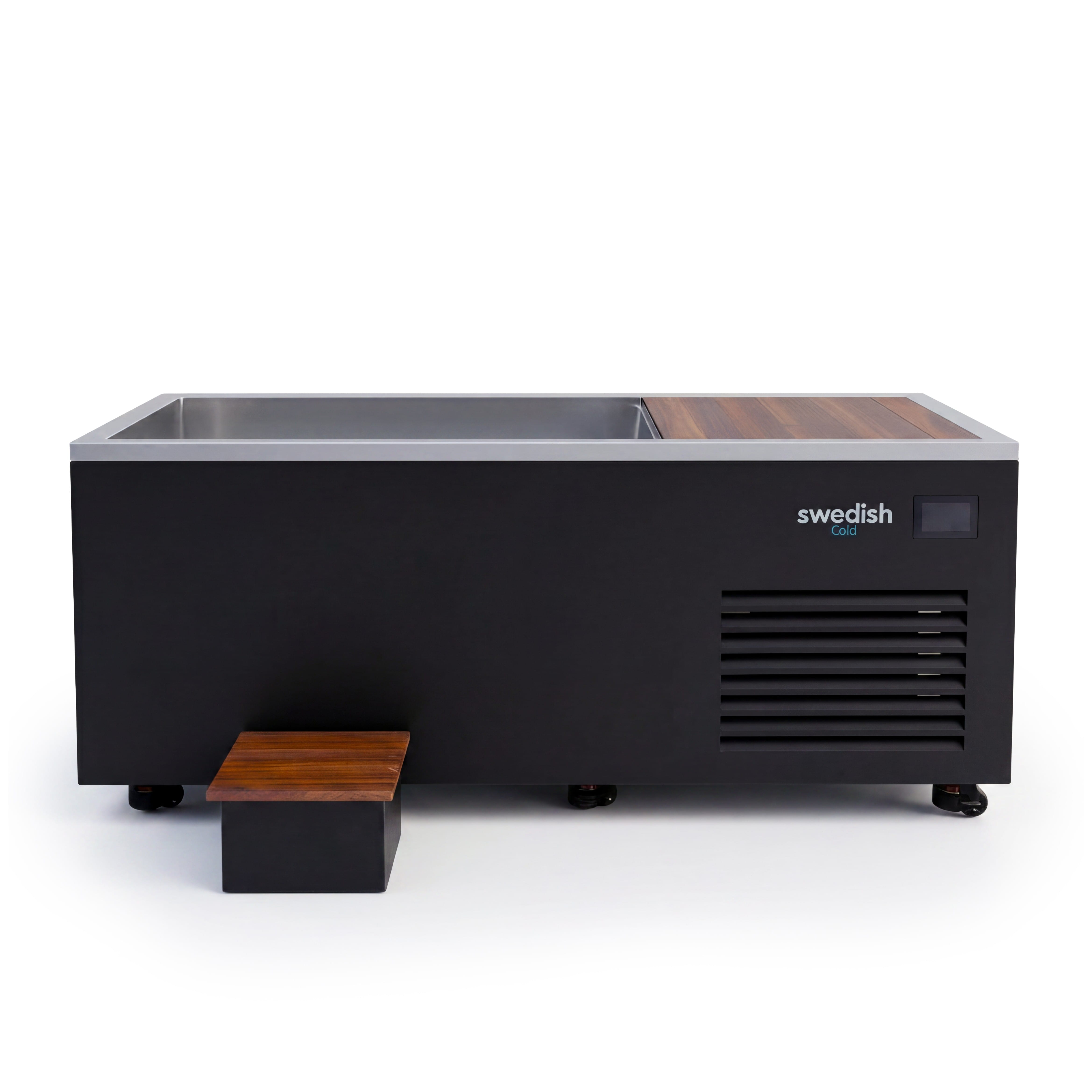
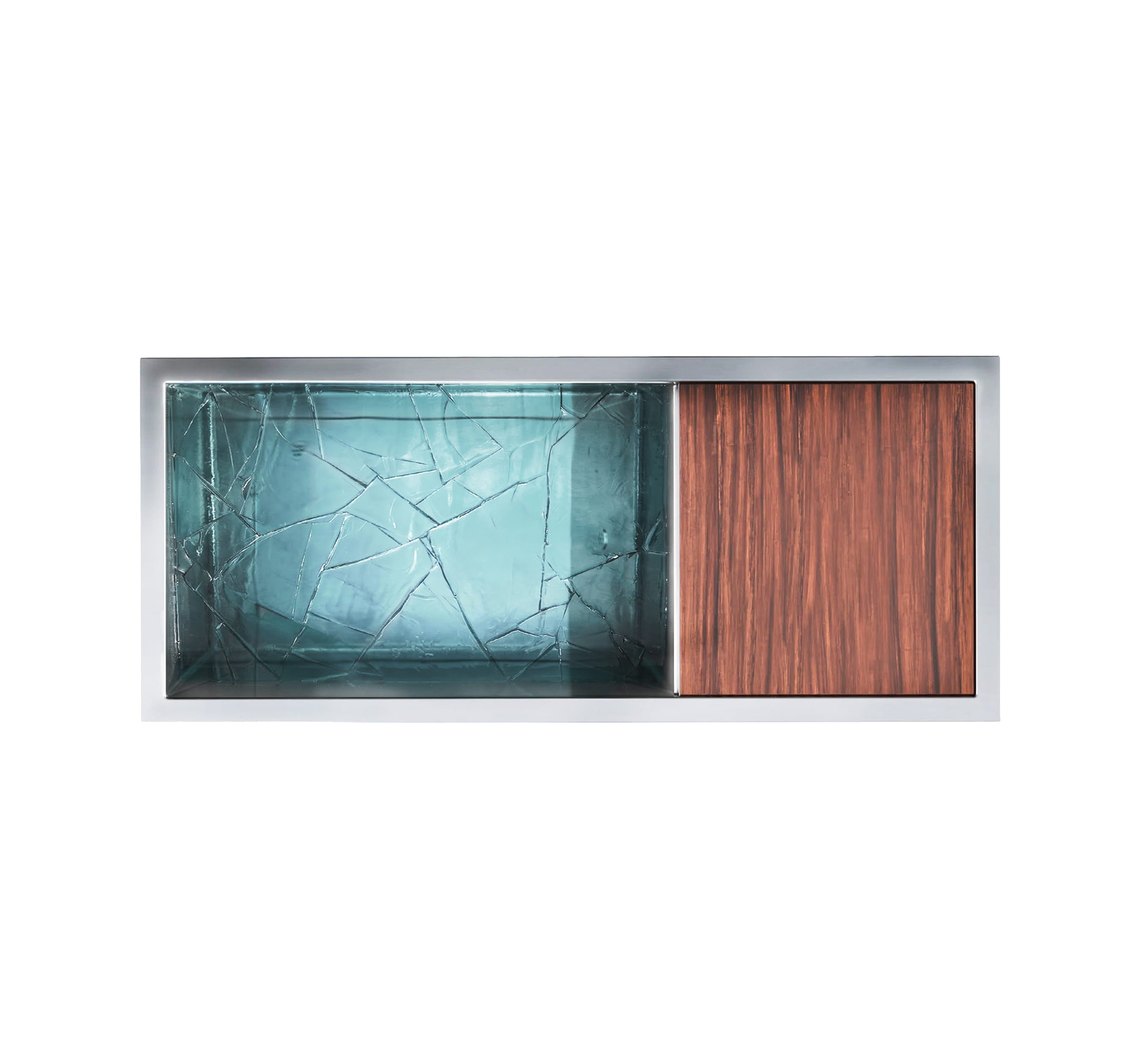
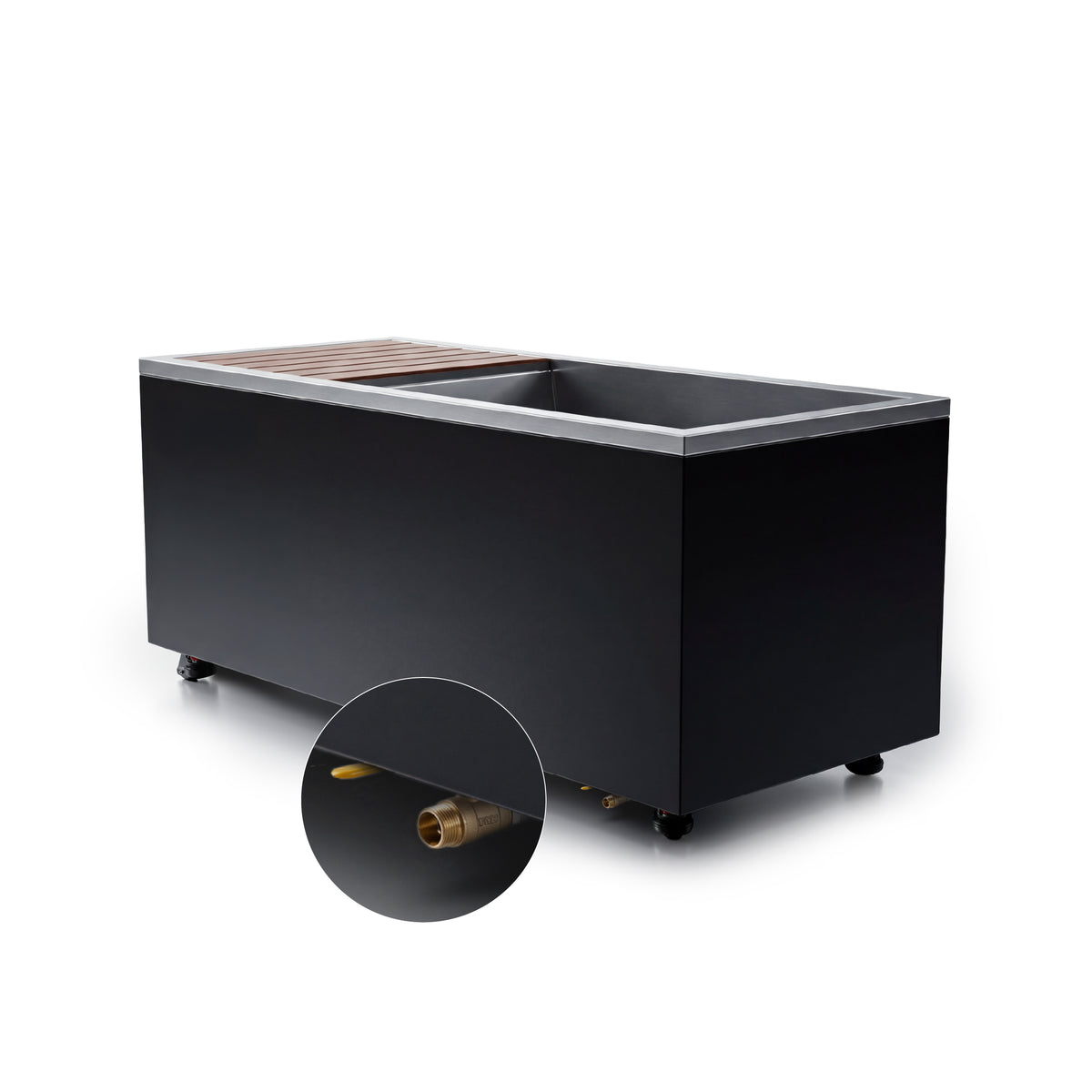
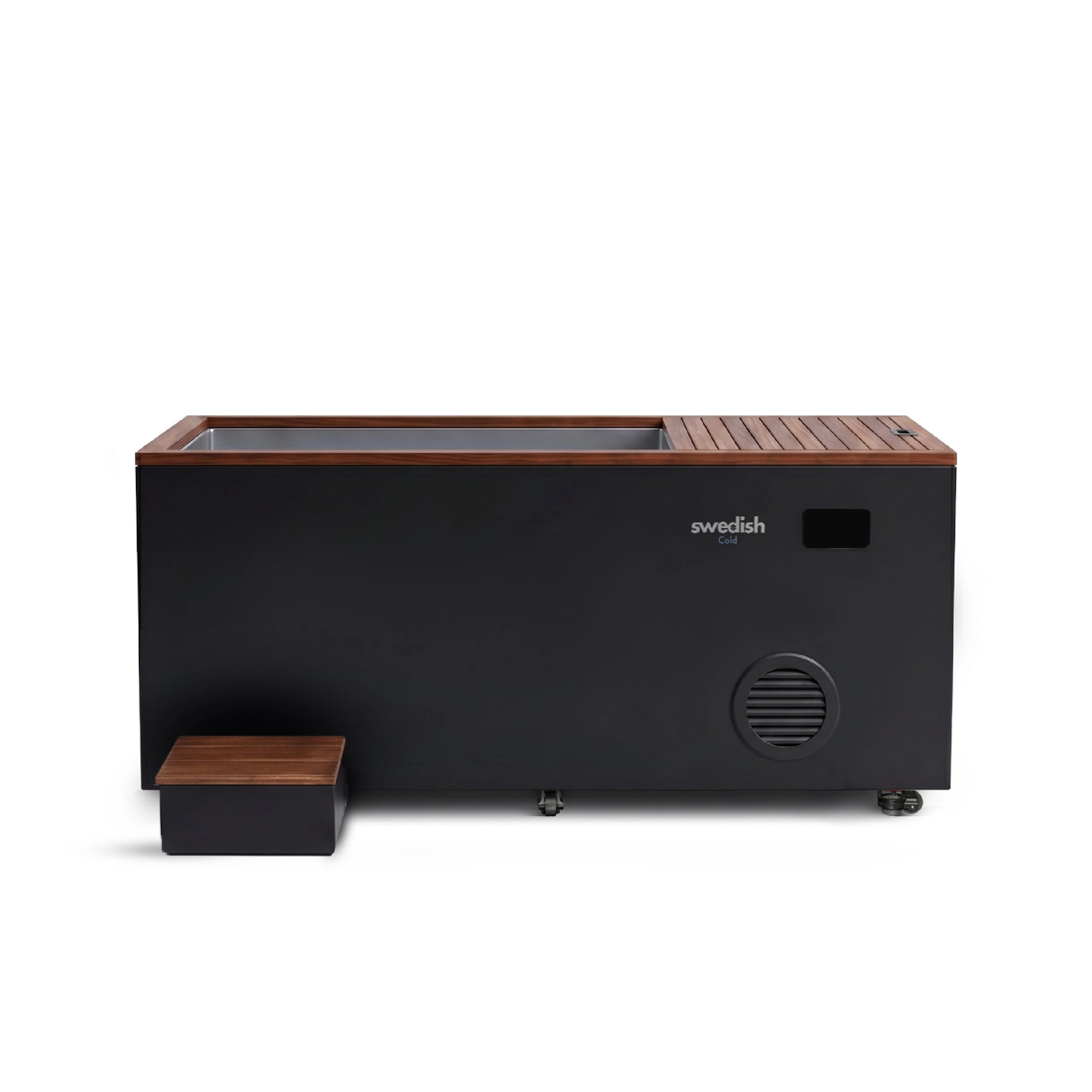
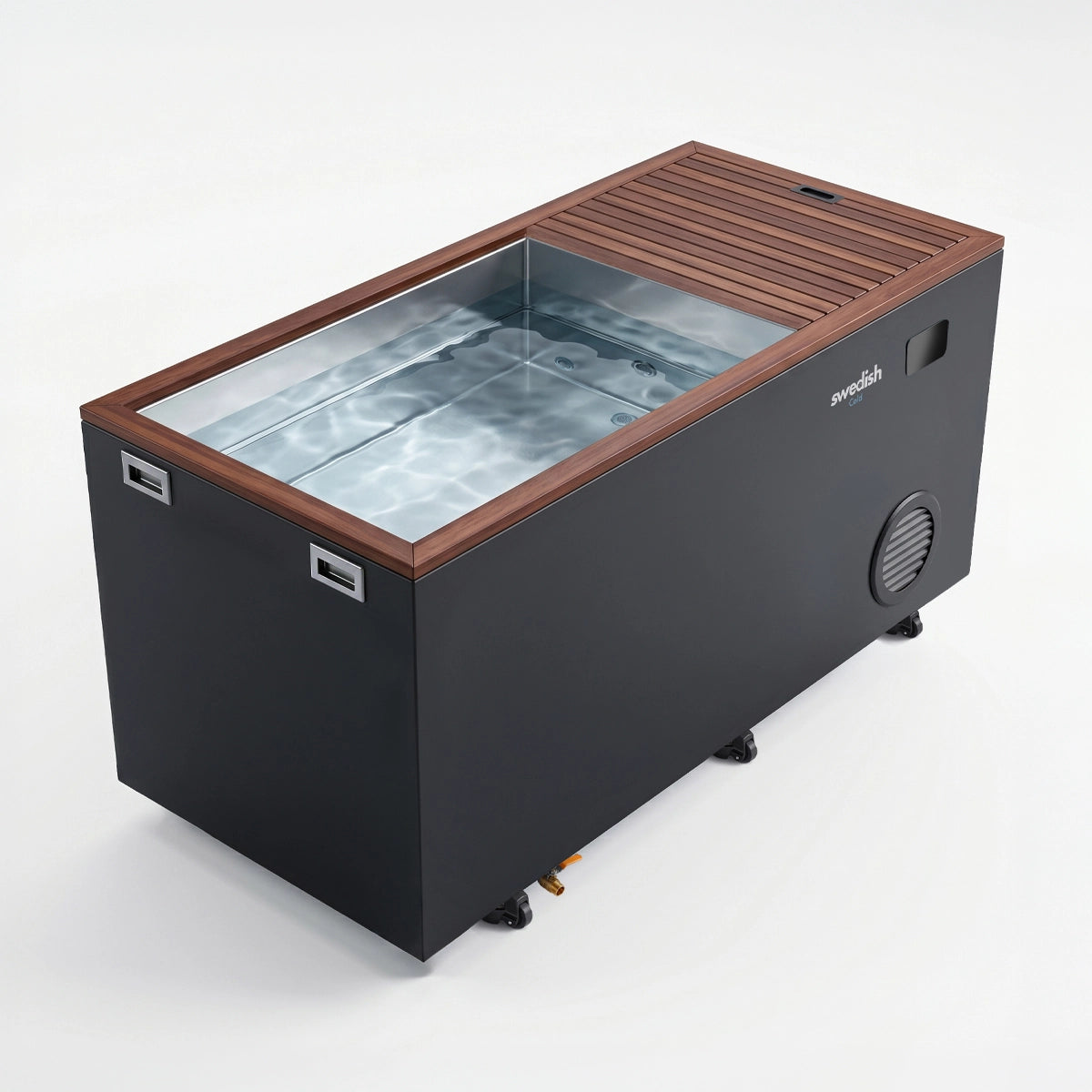
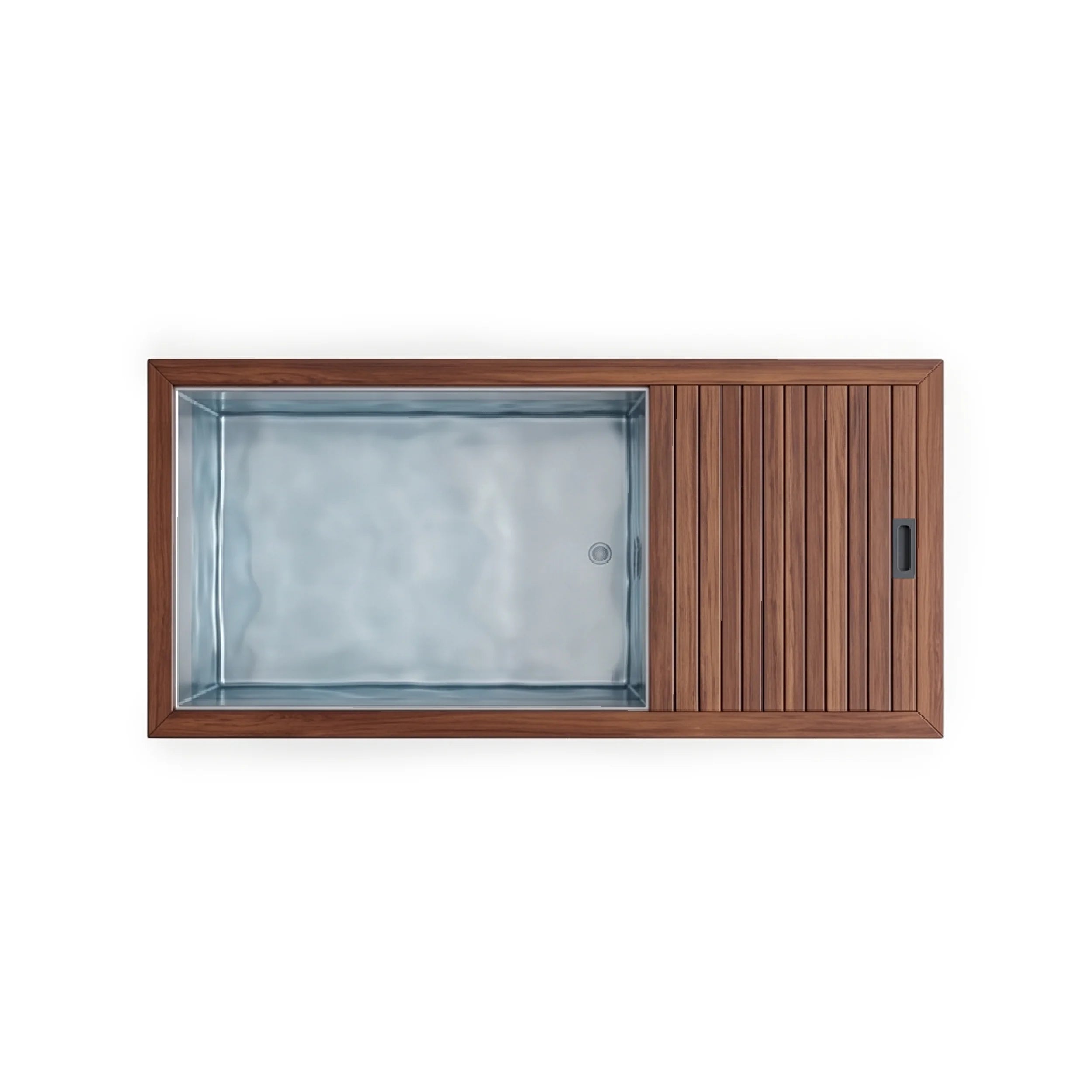
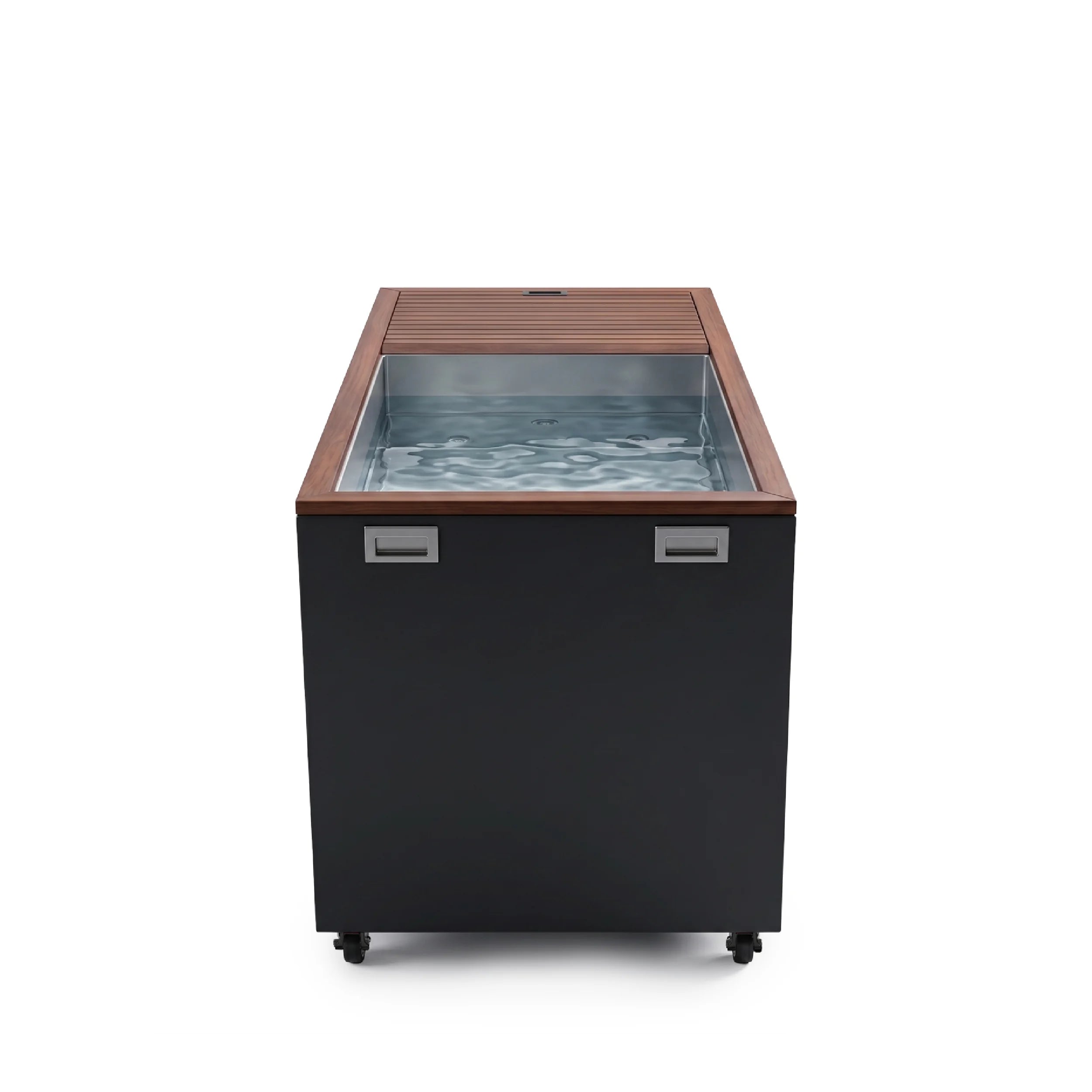
SwedishCold.com Kallbadstunna Generation 4S

Getting started – step by step

  1. Prepare. Have a towel and warm clothes ready for afterwards.
  2. Lower yourself slowly. Step in under control and let your body get used to the first few seconds.
  3. Focus on your breathing. Breathe slowly and deeply. When your breathing is calm, the rest of your body is calm.
  4. Stay within your comfort zone. Don't push yourself. Get out before you start shivering uncontrollably.
  5. Warm up naturally. Let your body rewarm under its own power – move around and get dressed. Avoid rushing straight into a hot shower.

Safety first

An ice bath is a powerful strain on the body and should be treated with respect. Never bathe alone in the beginning, and always listen to your body's signals. If you have heart problems or high blood pressure, are pregnant or have any other underlying condition, you should consult a doctor before you start. Never combine ice baths with alcohol, and stick to safe, controlled conditions – a dedicated cold plunge tub gives you that security.

Swedish quality, all year round

The Nordic tradition of cold is not a trend for us – it is part of our culture. With an ice bath at home or at your facility you get access to the same routine that elite athletes and wellness clubs use, with full control over temperature and hygiene every day of the year. The cold is waiting – all you have to do is step in

FAQ


Yes. We supply leading gyms, hotels and wellness facilities and offer commercial solutions with service agreements. See our business concept.

Thanks to the built-in filter and cooling system, maintenance is minimal – change the filter and the water according to our guide. A sauna requires virtually no ongoing maintenance.


Sauna bathing is associated with relaxation, better sleep, increased circulation and recovery. Regular sauna bathing has been linked in studies to cardiovascular health. The effects vary between individuals.


An infrared sauna warms the body directly with light at a lower temperature – gentler and easier to sit in for longer. A traditional sauna heats the air to a high temperature for the classic sauna ritual with löyly.


Many people cold plunge 3–7 times a week, 2–5 minutes at a time. Start short and build up at your own pace.

An ice bath, also called a cold plunge, is a tub of cold, temperature-controlled water in which you immerse your body for recovery. Our cold plunge tubs hold a steady temperature thanks to a built-in cooling system and filter.

Regular cold exposure is associated in research with faster recovery, less perceived muscle soreness, better mood and increased energy. Many people also experience sharper focus and better sleep. The effects vary between individuals.


Most people start around 10–15 °C and gradually work down towards 3–5 °C. With Swedish Cold you set the exact temperature and keep it steady, around the clock.


Most of our products connect to a standard power socket. We help you plan the installation so that everything is right from the start.